Healthcare Reform 2026: ACA Changes Impact 20 Million Americans

Anúncios
Proposed Healthcare Reform 2026 changes to the Affordable Care Act are poised to reshape health coverage for over 20 million Americans, potentially altering access, affordability, and the scope of essential medical services.
As the year 2026 approaches, discussions around potential modifications to the Affordable Care Act (ACA) are intensifying, with proposed Healthcare Reform 2026 changes threatening to impact the health coverage landscape for approximately 20 million Americans. Understanding these shifts is crucial for individuals, families, and healthcare providers alike.
Anúncios
Understanding the Affordable Care Act (ACA) Foundation
The Affordable Care Act, often referred to as Obamacare, was signed into law in 2010 with the ambitious goal of expanding health insurance coverage, controlling healthcare costs, and improving access to care for millions of uninsured Americans. Its foundational pillars have reshaped the U.S. healthcare system significantly, introducing a complex web of regulations, subsidies, and market reforms.
Anúncios
At its core, the ACA aimed to make health insurance more affordable and accessible by creating health insurance marketplaces, offering subsidies to help low and middle-income individuals purchase coverage, and expanding Medicaid eligibility in many states. These provisions have been instrumental in reducing the uninsured rate to historic lows, but they have also been subjects of ongoing debate and legislative challenges since their inception.
Key Pillars of the ACA
The ACA’s structure is built upon several critical components that have provided a safety net for millions. These pillars ensure that health insurance is not only available but also offers comprehensive coverage without discrimination.
- Marketplace Subsidies: Financial assistance designed to reduce premium costs for individuals and families earning between 100% and 400% of the federal poverty level.
- Medicaid Expansion: Allowed states to expand Medicaid eligibility to nearly all non-elderly adults with incomes up to 138% of the federal poverty level, significantly increasing coverage for vulnerable populations.
- Essential Health Benefits: Mandated that most health insurance plans cover ten categories of services, including emergency care, maternity care, prescription drugs, and mental health services.
- Pre-existing Condition Protections: Prohibited insurers from denying coverage or charging more based on an individual’s health status, a monumental shift in how health insurance operated.
These elements combined have created a system where more Americans have access to comprehensive health coverage, protecting them from financial ruin due to unexpected medical expenses. The political and economic implications of these foundational elements remain a central focus as new reform proposals emerge.
Proposed Healthcare Reform 2026: What’s on the Table?
The landscape of U.S. healthcare policy is in constant flux, and 2026 is shaping up to be a pivotal year for potential changes to the Affordable Care Act. Various proposals are being discussed, ranging from minor adjustments to sweeping overhauls that could fundamentally alter how Americans access and pay for their healthcare. These discussions are driven by a mix of political ideologies, economic considerations, and public demand for both affordability and comprehensive coverage.
One of the central themes in many of the proposed reforms revolves around cost containment. Lawmakers are exploring ways to reduce premiums, lower out-of-pocket expenses, and address the rising cost of prescription drugs. However, the methods proposed to achieve these goals often differ significantly, leading to contentious debates about the best path forward. Some proposals advocate for market-based solutions, while others lean towards greater government intervention.
Potential Policy Shifts and Their Aims
Several key areas are targeted for reform, each with its own set of arguments for and against implementation. These shifts aim to address perceived shortcomings of the current ACA framework or to align the system with new political priorities.
- Revising Subsidy Structures: There are discussions about adjusting the income thresholds for premium tax credits or altering the formula used to calculate these subsidies. The goal is often to make insurance more affordable for a broader range of income levels, or conversely, to target subsidies more narrowly.
- Modifying Essential Health Benefits: Some proposals suggest giving states more flexibility to define essential health benefits, potentially leading to plans with fewer mandated services but lower premiums. This could offer consumers more choice but might also result in less comprehensive coverage.
- Introducing New State-Based Waivers: Expanding the ability of states to experiment with their own healthcare models, potentially allowing for greater innovation but also creating a patchwork of different regulations across the country.
- Adjusting Employer Mandates: Changes to the employer mandate, which requires larger employers to offer health insurance to their full-time employees, are also on the table. This could impact employer-sponsored coverage and shift more responsibility to individual marketplaces.
These proposals are not merely theoretical; they represent real policy directions that could be enacted, with profound implications for millions. The debate surrounding them is complex, balancing the desire for affordability and access against concerns about government overreach and market stability.
Who Will Be Impacted? The 20 Million Americans at Stake
The potential changes encapsulated in the Healthcare Reform 2026 proposals are not abstract legislative maneuvers; they are policies that will directly touch the lives of millions of Americans. Specifically, an estimated 20 million individuals, who currently rely on the Affordable Care Act for their health coverage, stand to experience significant effects. This demographic includes a wide array of people, from low-income families receiving premium subsidies to individuals with pre-existing conditions who gained protections under the ACA.
Understanding the varied segments of this population is key to grasping the full scope of the impact. It’s not just a single group, but rather a diverse cross-section of the American public whose access to doctors, medications, and critical medical services could be altered. The implications extend beyond individual health outcomes, affecting household budgets, employment decisions, and the overall stability of local economies.
Segments Most Affected by Reform
The proposed reforms could disproportionately affect certain groups, either positively through increased affordability or negatively through reduced coverage or higher costs. Identifying these groups helps in anticipating the broader societal consequences.
- Low and Middle-Income Individuals: Those who currently receive federal subsidies to afford their marketplace plans are particularly vulnerable. Changes to subsidy formulas or eligibility criteria could lead to substantial increases in out-of-pocket costs or even make coverage unaffordable.
- Individuals with Pre-existing Conditions: While the ACA established strong protections, any reform that weakens these provisions could jeopardize access to affordable coverage for millions who previously struggled to obtain insurance.
- Medicaid Expansion Enrollees: In states that expanded Medicaid, millions gained coverage. Future reforms might alter federal funding for Medicaid, potentially forcing states to scale back their programs or increase their own financial burden.
- Small Business Employees: Depending on changes to employer mandates or the availability of small business health options, employees of smaller companies could see shifts in their coverage options and costs.
The ripple effect of these changes could extend far beyond the immediate beneficiaries of ACA plans. Hospitals, clinics, and pharmaceutical companies will also feel the economic pressures, adjusting their services and pricing in response to shifts in patient coverage and reimbursement models. The interconnectedness of the healthcare ecosystem means that a change in one area can have unforeseen consequences in many others.
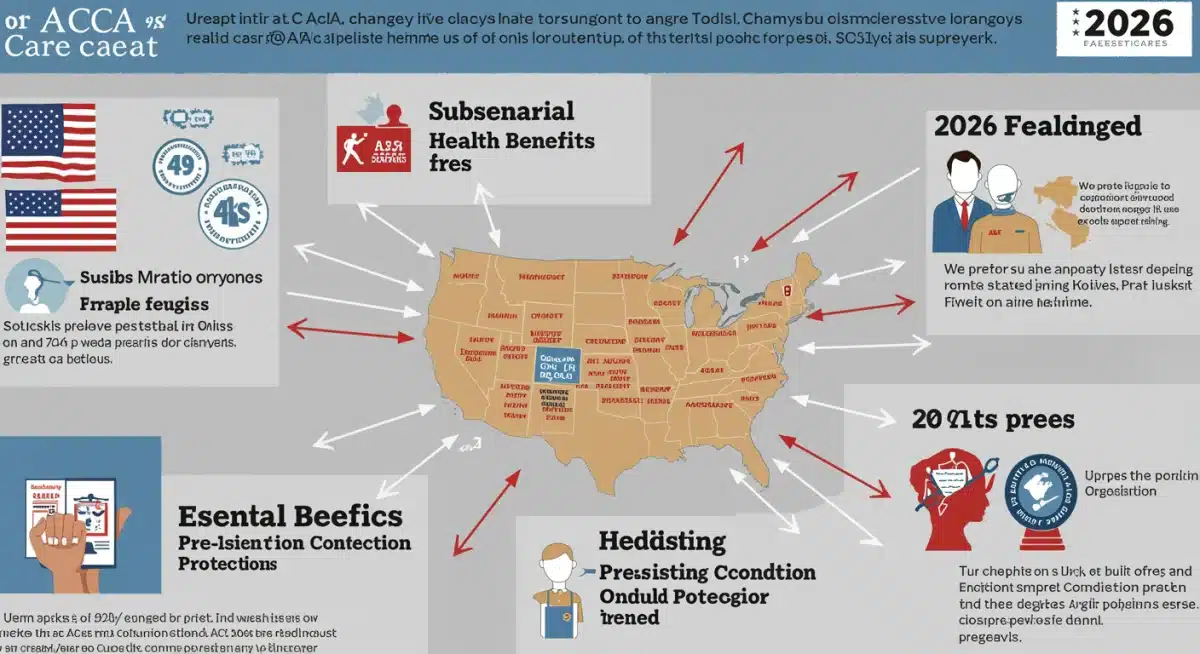
Economic Ramifications: Costs, Premiums, and Market Stability
The economic implications of the proposed Healthcare Reform 2026 are vast, touching everything from individual household budgets to the stability of the entire health insurance market. Any significant alteration to the ACA’s framework will inevitably lead to shifts in premiums, out-of-pocket costs, and the overall financial health of insurers and healthcare providers. These changes are not merely numbers on a balance sheet; they translate directly into whether Americans can afford their healthcare and whether the system can sustainably provide it.
One of the primary concerns is the potential for premium volatility. If subsidies are reduced or eligibility is tightened, millions could face higher monthly costs, making insurance less accessible. Conversely, reforms aimed at increasing competition or streamlining regulations could theoretically lower premiums, though the actual outcome is often complex and subject to numerous market forces. The interplay between federal policy and state-level implementation also adds layers of complexity, as states may respond differently to new mandates or incentives.
Impact on Healthcare Spending and Provider Networks
Beyond individual premiums, the broader economic impact extends to how healthcare is delivered and funded across the nation. Changes in coverage models affect demand for services, which in turn influences hospital revenues, physician salaries, and the growth of provider networks.
- Hospital Financials: Hospitals often rely on a mix of insured and uninsured patients. A significant increase in the uninsured rate due to reform could lead to higher uncompensated care costs, potentially impacting hospital solvency and the services they can offer.
- Pharmaceutical Costs: Reforms might include provisions to negotiate drug prices or alter patent protections, directly affecting pharmaceutical companies’ revenues and the cost of medications for consumers.
- Insurance Market Dynamics: The stability of the health insurance marketplaces could be challenged if reforms lead to adverse selection, where sicker individuals disproportionately enroll, driving up costs for everyone. Conversely, reforms that encourage healthier individuals to enroll could stabilize markets.
- Job Market Effects: Changes to employer mandates or healthcare costs for businesses could influence hiring decisions, wage growth, and the benefits packages offered to employees.
The economic models used to predict these outcomes are often complex and subject to various assumptions, making precise forecasts challenging. However, it is clear that any major reform will necessitate careful monitoring of these economic indicators to understand the true impact on the American public and the healthcare industry.
Access to Care: Will Services Be Expanded or Restricted?
A central tenet of the Affordable Care Act was to improve access to care for millions, and the proposed Healthcare Reform 2026 changes will be scrutinized for their potential to either expand or restrict this access. For the 20 million Americans currently covered under the ACA, the availability of essential health services, specialist visits, and preventive care is a primary concern. The direction of these reforms could mean the difference between timely medical attention and facing significant barriers to necessary treatment.
Access to care is not solely about having an insurance card; it also encompasses the comprehensiveness of the benefits, the affordability of deductibles and co-pays, and the availability of healthcare providers within an insurance network. Reforms that alter any of these components can have a profound effect on whether individuals can actually utilize their coverage when they need it most. For instance, limiting essential health benefits might reduce premiums but could leave individuals without coverage for crucial services like mental health care or maternity services.
Specific Areas of Access Under Review
Several critical aspects of healthcare access are likely targets for reform, each with its own set of potential consequences for patients and providers.
- Essential Health Benefits (EHBs): Any changes allowing states or insurers more flexibility in defining EHBs could lead to plans that exclude services currently covered, forcing individuals to pay out-of-pocket or go without care.
- Preventive Services: The ACA mandated coverage for many preventive services without cost-sharing. Revisions could reintroduce co-pays or deductibles for these services, potentially deterring people from seeking early detection and treatment.
- Provider Networks: Reforms might influence the types of plans available, potentially leading to narrower networks of doctors and hospitals. While this can lower premiums, it might limit patient choice and access to preferred providers.
- Rural Healthcare: Policy changes affecting funding for rural hospitals or incentives for providers to practice in underserved areas could significantly impact access to care for populations already facing geographic barriers.
The debate around access to care is often intertwined with discussions about individual responsibility and government’s role in healthcare. Advocates for broader access emphasize the societal benefits of a healthier population, while those seeking to restrict access often highlight the costs associated with comprehensive coverage. Finding a balance that ensures both affordability and adequate access remains a significant challenge for policymakers.
Political Landscape and the Path to Enactment
The journey of any significant healthcare legislation, especially reforms concerning the Affordable Care Act, is inherently political. The proposed Healthcare Reform 2026 changes are no exception, navigating a complex web of partisan interests, lobbying efforts, and public opinion. The path to enactment for these reforms will depend heavily on the political climate, the composition of Congress, and the stance of the executive branch.
Historically, healthcare reform has been a deeply divisive issue in American politics, with strong ideological differences guiding legislative approaches. Democrats generally favor strengthening and expanding the ACA, often advocating for more government involvement to ensure universal access and affordability. Republicans, on the other hand, typically seek to repeal and replace the ACA, proposing market-based solutions, deregulation, and greater state control over health policy. These fundamental disagreements make consensus building a formidable task.
Key Players and Influential Factors
Several entities and factors will play crucial roles in shaping the final outcome of the 2026 healthcare reforms. Their influence can determine whether proposals gain traction, are modified, or ultimately fail.
- Congressional Leadership: The majority and minority leaders in both the House and Senate will heavily influence which bills are brought to a vote and how they are shaped through committee processes.
- The White House: The President’s agenda and executive actions can set the tone for healthcare policy and directly impact the feasibility of legislative proposals. A presidential veto can halt legislation, while strong executive support can propel it forward.
- Lobbying Groups: Powerful organizations representing insurance companies, pharmaceutical manufacturers, hospitals, and patient advocacy groups will actively lobby lawmakers, aiming to influence legislation in their favor.
- Public Opinion: Voter sentiment and public outcry can significantly sway political decisions, especially in an election year or leading up to one. Demonstrations, polls, and grassroots movements can put pressure on elected officials.
- Judicial Review: Any enacted legislation is subject to legal challenges, and court rulings can impact the implementation and legality of new healthcare policies.
The timeline for these reforms is also critical. With 2026 on the horizon, legislative bodies will be under pressure to act, balancing the urgency of reform with the need for thorough deliberation and public input. The political battles will undoubtedly be intense, reflecting the profound impact these changes could have on the lives of millions of Americans.
Preparing for the Future: What Americans Can Do Now
As the potential for significant Healthcare Reform 2026 looms, understanding and preparing for future changes to the Affordable Care Act becomes paramount for the 20 million Americans who could be impacted. While the exact nature of these reforms remains uncertain, proactive steps can help individuals and families navigate the evolving healthcare landscape. Staying informed and engaging with available resources are key strategies to mitigate potential disruptions to health coverage and access to care.
The best defense against uncertainty is knowledge. Americans should actively monitor news and updates from reliable sources regarding legislative developments. Understanding how proposed changes might affect their specific circumstances—whether it’s through subsidies, essential health benefits, or provider networks—can empower them to make informed decisions about their health insurance options. This preparedness can alleviate anxiety and ensure continuity of care.
Strategies for Navigating Healthcare Changes
There are several practical steps individuals can take now to better position themselves for any upcoming healthcare reforms. These strategies focus on maximizing current benefits and planning for future eventualities.
- Stay Informed and Engaged: Regularly check official government websites (like Healthcare.gov), reputable news outlets, and non-partisan healthcare policy organizations for updates on proposed legislation and its potential impact. Consider contacting elected officials to voice concerns or support.
- Review Current Coverage: Understand the details of your current health insurance plan, including your deductible, out-of-pocket maximum, essential health benefits, and provider network. This knowledge will be crucial for comparing future options.
- Explore All Options During Open Enrollment: During annual open enrollment periods, thoroughly research all available plans in your state’s marketplace, even if you are satisfied with your current plan. New plans or changes to existing ones might offer better value or more suitable coverage.
- Seek Professional Advice: If you have complex health needs or financial situations, consider consulting with a certified health insurance navigator, a financial advisor, or a healthcare advocate. They can provide personalized guidance on how reforms might affect you and help you explore suitable options.
- Prioritize Preventive Care: Take advantage of any preventive services covered by your current plan without cost-sharing. Maintaining good health now can reduce future healthcare needs and associated costs.
Ultimately, while the future of healthcare reform is uncertain, taking proactive measures can significantly reduce the stress and potential negative consequences for individuals. By staying informed, understanding current coverage, and exploring future options, Americans can better protect their health and financial well-being in the face of evolving policy.
| Key Point | Brief Description |
|---|---|
| ACA Foundation | Established marketplaces, subsidies, Medicaid expansion, and pre-existing condition protections. |
| Proposed Reforms | Discussions on revising subsidies, EHBs, state waivers, and employer mandates for 2026. |
| Impact on 20 Million | Low/middle-income, pre-existing conditions, Medicaid enrollees, and small business employees most affected. |
| Preparation Steps | Stay informed, review current coverage, explore options, and seek professional advice. |
Frequently Asked Questions About Healthcare Reform 2026
The primary goals often include addressing healthcare costs, making insurance more affordable, modifying coverage requirements, and potentially giving states more control over their healthcare markets. These goals are driven by various political and economic considerations, aiming to refine or overhaul the existing ACA framework.
Changes to ACA subsidies could significantly impact individuals’ monthly premium costs. If subsidies are reduced or eligibility criteria are tightened, many low and middle-income Americans might face higher out-of-pocket expenses, potentially making health insurance less affordable or even unattainable for some.
Maintaining pre-existing condition protections is a major point of contention in reform discussions. While many proposals aim to retain some form of protection, the scope and enforcement mechanisms could vary, potentially impacting access to comprehensive coverage or increasing costs for individuals with pre-existing conditions.
States are expected to play a significant role, particularly if reforms introduce more flexibility through waivers. This could allow states to design their own healthcare solutions, potentially leading to varied coverage standards and costs across different regions, creating a more diverse healthcare landscape.
To stay informed, regularly consult official government health websites, reputable non-partisan news sources, and healthcare policy research organizations. Subscribing to newsletters from these entities can provide timely updates and analyses on legislative proposals and their potential impacts on your coverage.
Conclusion
The discussions surrounding Healthcare Reform 2026 and its potential impact on the Affordable Care Act represent a critical juncture for the U.S. healthcare system. With an estimated 20 million Americans facing direct repercussions, the proposed changes are far more than legislative technicalities; they are foundational shifts that could redefine access, affordability, and the very nature of health coverage. From the nuances of subsidy structures to the unwavering commitment to pre-existing condition protections, every aspect of the ACA is under review, promising a period of intense debate and potential transformation. As these reforms take shape, staying informed, advocating for one’s interests, and understanding the intricate web of policy will be essential for navigating the evolving landscape of American healthcare.